**The Influence of Dictators on Investment in São Paulo, Brazil**
Category : |
Sub Category : Posted on 2024-10-05 22:25:23
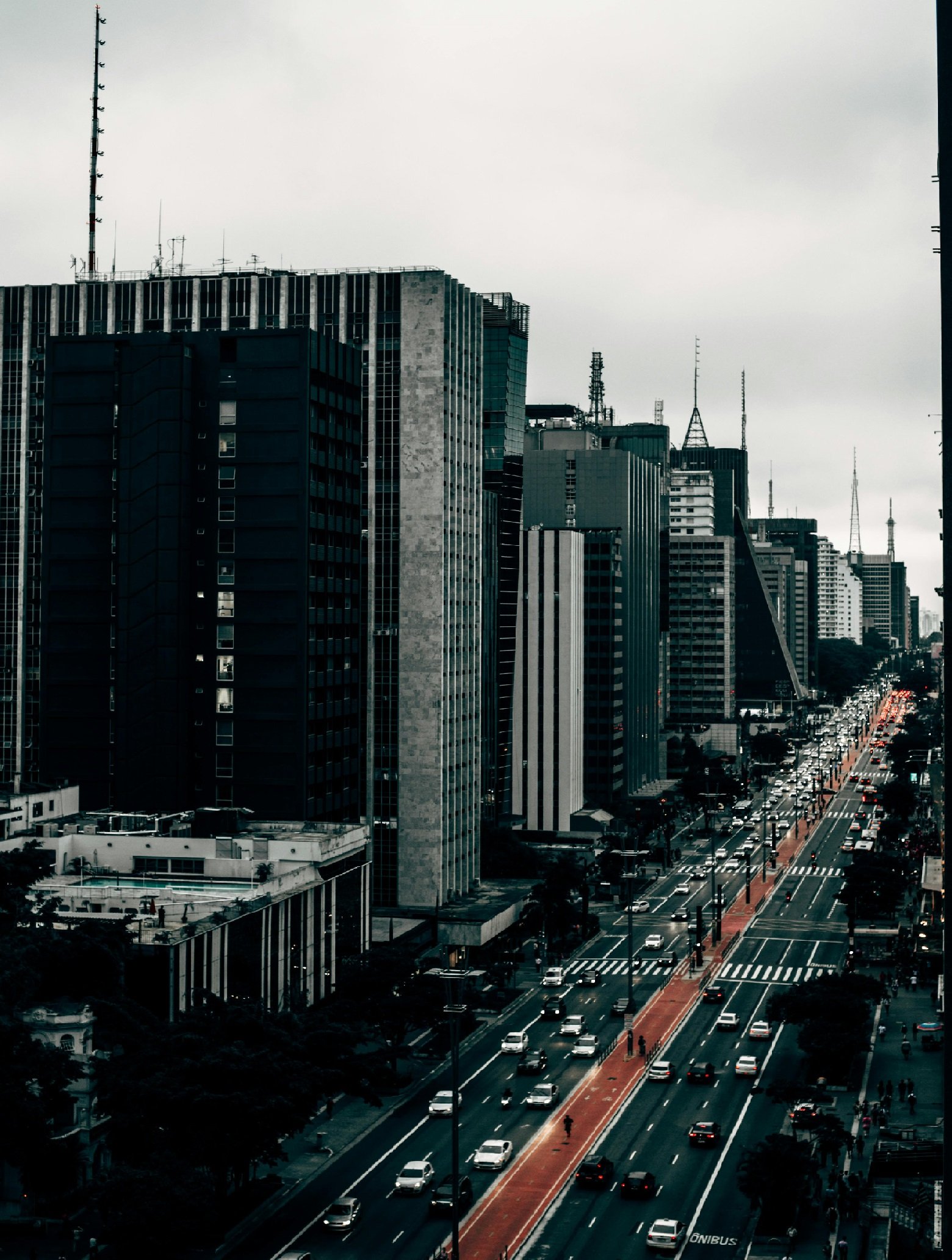
São Paulo, Brazil's largest city and financial hub, has a complex history shaped by political and economic influences, including the impact of dictators on investment in the region. Throughout the 20th century, Brazil experienced periods of authoritarian rule, with dictators often influencing economic policies and investment decisions. In this blog post, we will explore the relationship between dictators and investment in São Paulo, shedding light on how political regimes have impacted the region's economic development. One of the most notorious dictators in Brazilian history was Getúlio Vargas, who ruled the country both as president and as a dictator during the mid-20th century. Vargas implemented policies aimed at industrialization and economic development, which had a significant impact on São Paulo, transforming it into a major industrial center. The dictator's focus on import substitution industrialization led to the growth of manufacturing industries in the region, attracting investment and creating jobs. Another dictator who left his mark on São Paulo was Emílio Garrastazu Médici, who governed Brazil from 1969 to 1974 during the military regime. Médici's administration emphasized infrastructure development, which benefited São Paulo by improving transportation networks and attracting investment in construction projects. The construction boom during this period fueled economic growth in São Paulo, solidifying its position as a key economic center in Brazil. Despite the economic growth that occurred under dictatorial rule, there were also negative consequences for investment in São Paulo. Dictators often imposed repressive measures that stifled political freedom and created uncertainty for investors. The lack of democratic institutions and the concentration of power in the hands of a few individuals made São Paulo vulnerable to corruption and cronyism, deterring some investors from engaging in the region. In recent years, Brazil has transitioned to a democratic system, with São Paulo continuing to attract investment as a leading economic hub in Latin America. The city's diversified economy, thriving financial sector, and strategic location have made it an attractive destination for domestic and international investors. The legacy of dictators in São Paulo is evident in the city's infrastructure and industrial base, shaping its economic landscape to this day. In conclusion, the impact of dictators on investment in São Paulo, Brazil, has been a complex and multifaceted phenomenon. While dictators have played a role in shaping the city's economic development through policies that promoted industrialization and infrastructure projects, their repressive measures have also posed challenges for investors. As São Paulo continues to evolve as a dynamic economic center, it is essential to understand the historical context of dictatorship and its influence on investment in the region. For an in-depth examination, refer to https://www.leecow.com
https://tosaopauolo.com
https://uptube.net


